
The Ultimate Guide to Fly Fishing the Madison River
The Quintessential Montana Trout Stream
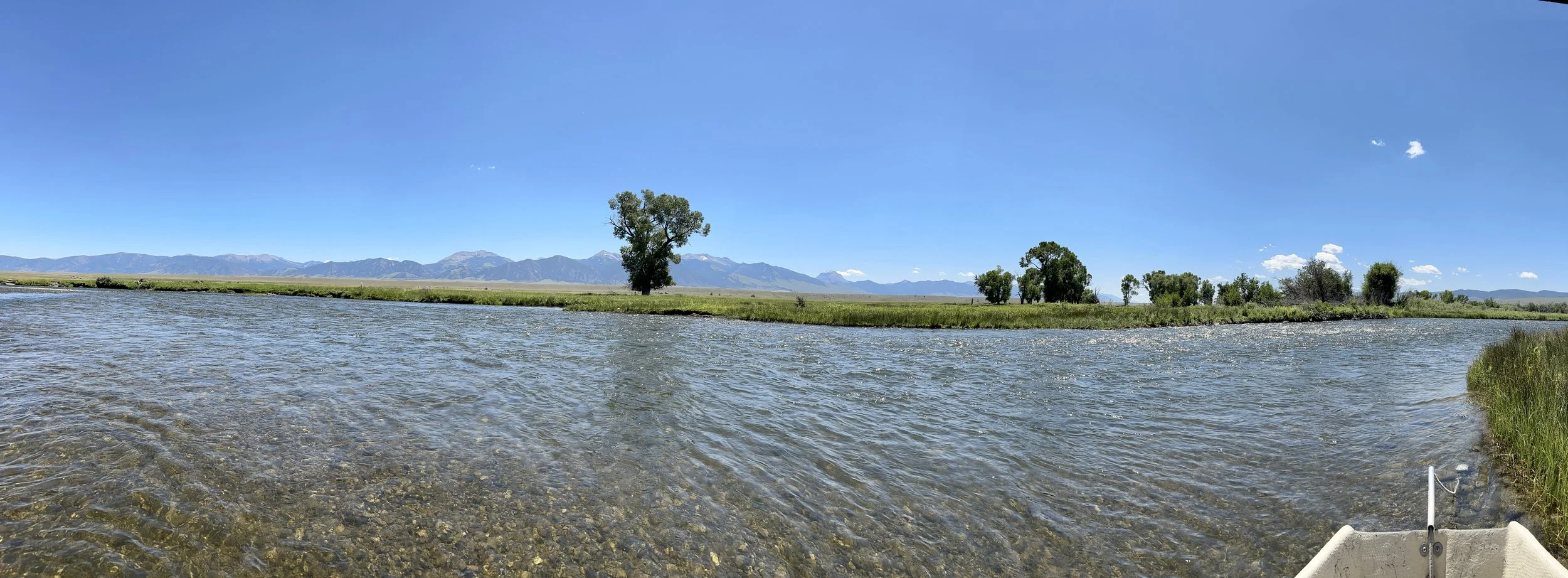
The Madison River offers what many consider the ultimate Montana fly fishing experience. Originating deep inside Yellowstone National Park, this iconic river flows through some of the most breathtaking scenery in the West before joining the Jefferson and Gallatin rivers at Three Forks to form the Missouri River. Because it is a highly productive tailwater with a freestone character, the Madison provides incredibly consistent flows and steady temperatures throughout the fishing season.
As experienced Madison River fly fishing guides, we love taking clients down the Madison because it naturally dictates a smooth, relaxed pace. The river is wide, the currents are steady, and there is always another great piece of holding water just downstream. It is the ideal setting to unplug, refine your mechanics, and simply enjoy a timeless day in the drift boat. To truly understand the Madison, it helps to break it down into its distinct sections.
The Upper Madison:
Hebgen Dam to Ennis
When anglers dream of the Madison River, they are usually picturing the Upper Madison. This stretch is famous for its high trout density, spectacular mountain views, and diverse water structures.
Between the Lakes and Quake Lake
Just below Hebgen Dam, the river flows for a short, technical stretch before emptying into Earthquake Lake (Quake Lake). This upper section is known for selective trout and requires careful wading presentations. Quake Lake itself was formed by a massive landslide in 1959 and holds some incredibly large brown trout.
The Fifty Mile Riffle
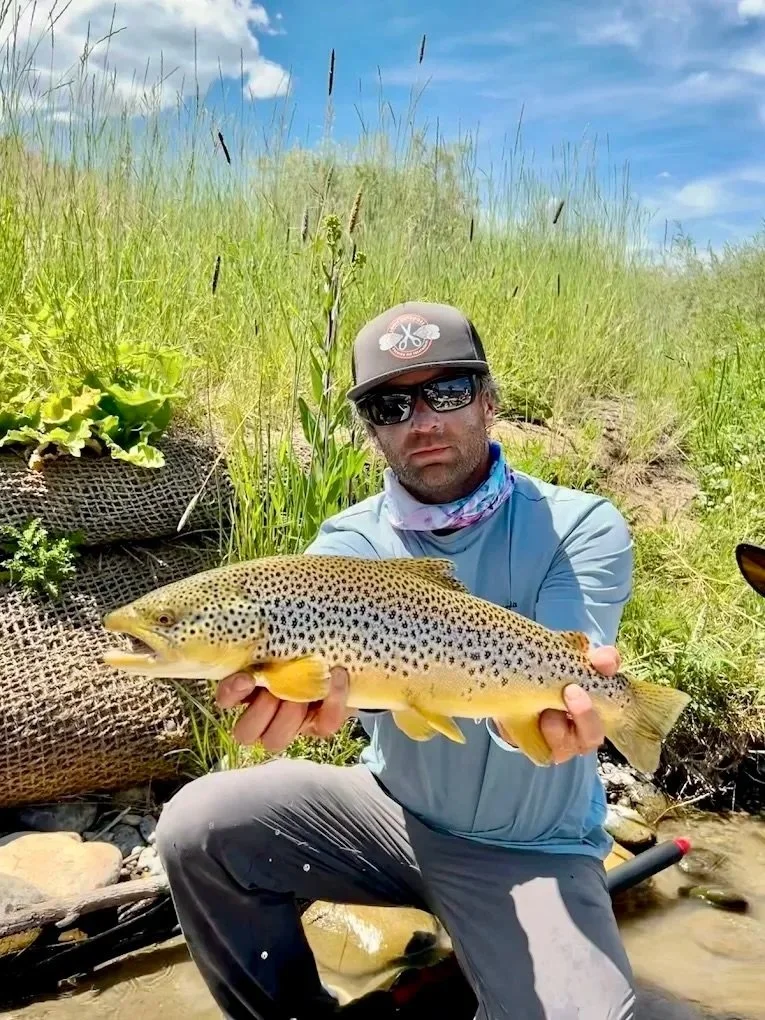
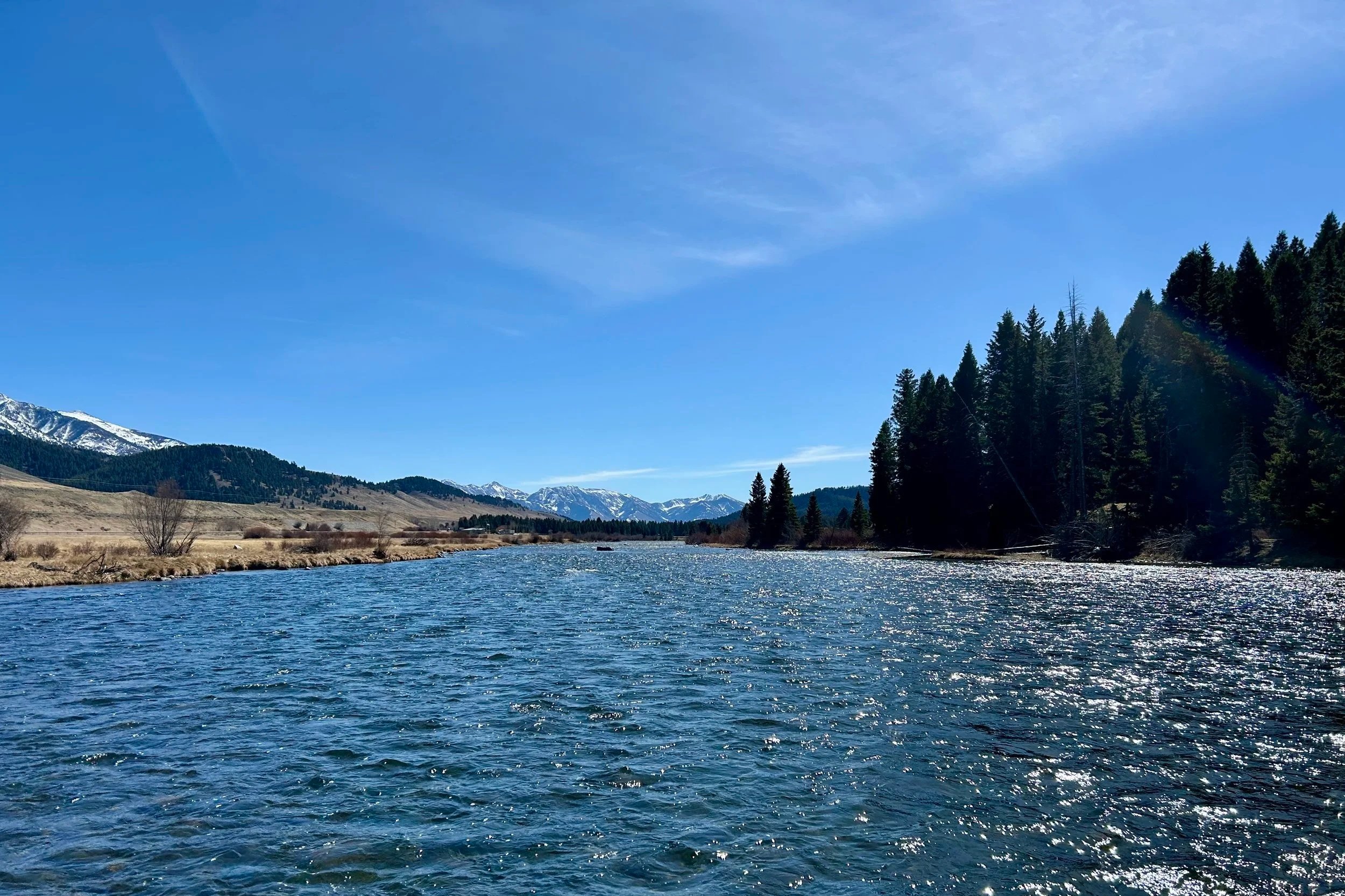
Below Quake Lake, the Madison transforms into what locals affectionately call the "Fifty Mile Riffle." Extending roughly from Lyons Bridge down past McAtee Bridge, this is classic drift boat water. The river flows at a steady, walking pace over a cobblestone bottom. It is a remarkably consistent stretch of water featuring endless seams, subtle drop-offs, and shallow riffles that hold healthy populations of brown and rainbow trout.
Varney Bridge to Ennis
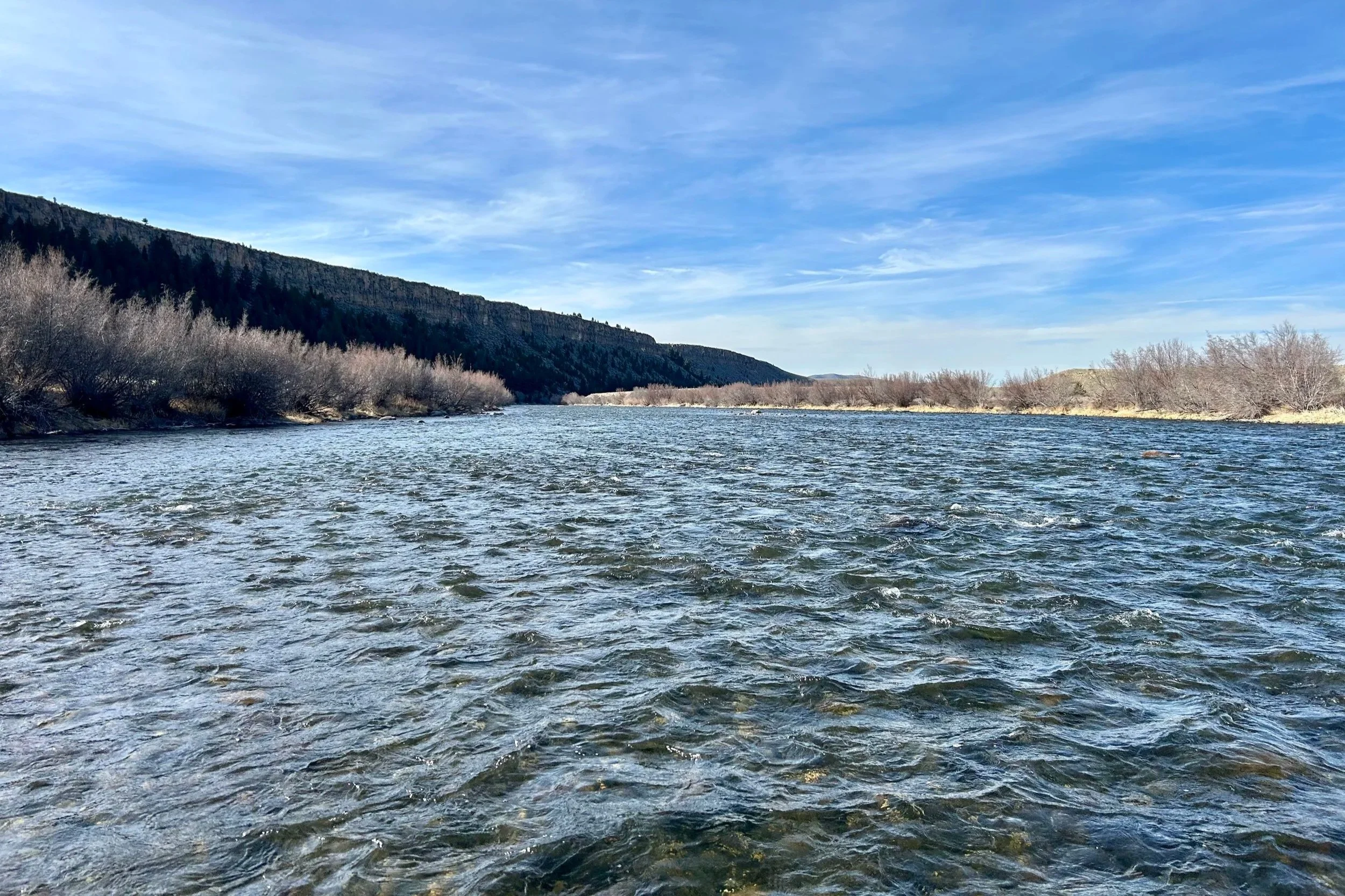
As the river flows further downstream from Varney Bridge toward the town of Ennis, the character of the water changes significantly. The steady riffles give way to a complex network of braided channels and islands. This creates deep pools, sharp current seams, and fantastic holding water. It is an incredibly dynamic section to float, offering deep buckets that are absolutely perfect for targeted sub-surface fishing.
The Channels: Ennis to Ennis Lake
Just past the town of Ennis, the river enters a spectacular braided section before emptying into Ennis Lake. Montana fishing regulations designate this specific stretch as "no fishing from a boat." This unique rule makes it the ultimate destination for boat-assisted wading. We use the drift boat to comfortably navigate the complex channels and access untouched gravel bars. You can then step out of the boat and thoroughly dissect the water on foot before floating to the next great spot.
Ennis Lake
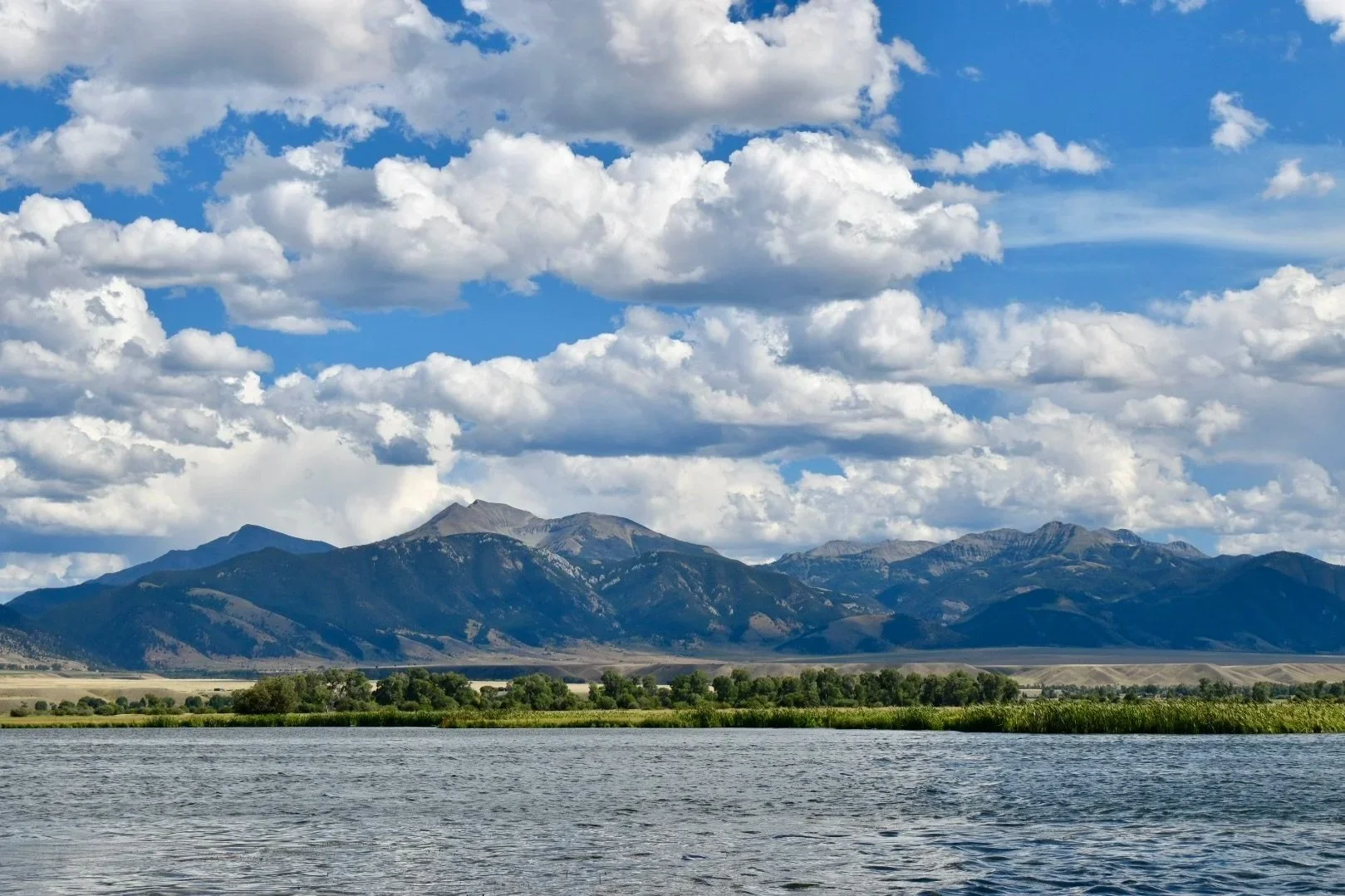
As the braided channels of the Madison empty into Ennis Lake, they form a shallow inlet delta of expansive flats and weed beds. While you can step out of the drift boat to wade, the soft bottom means we don't wander far. Instead, we post up and cast leeches and heavy streamers directly into the deeper drop-offs. Stripping these patterns for aggressive, pre-spawn fall browns provides a completely different dimension to a standard Madison River float.
The Lower Madison
Immediately below the lake, the river carves through the Bear Trap Canyon wilderness. While it is scenic, it is also notorious for highly dangerous whitewater, including Class IV and V rapids like the treacherous "Kitchen Sink." Due to the serious hazards, technical water, and severely limited access, this is not a section suited for standard drift boat fishing. We generally avoid floating this rugged stretch, focusing our time and energy on the much more productive and accessible water upstream and downstream.
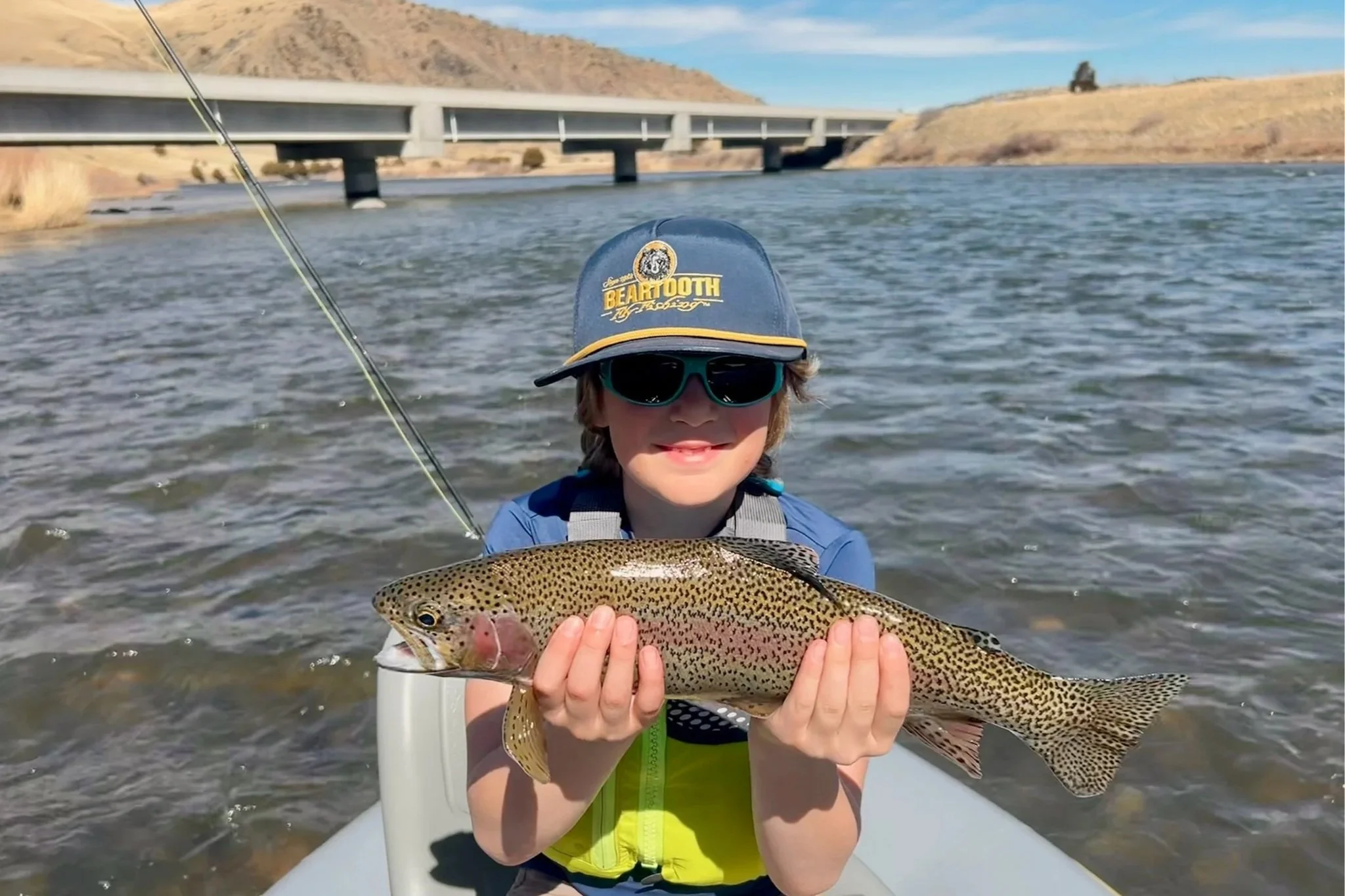
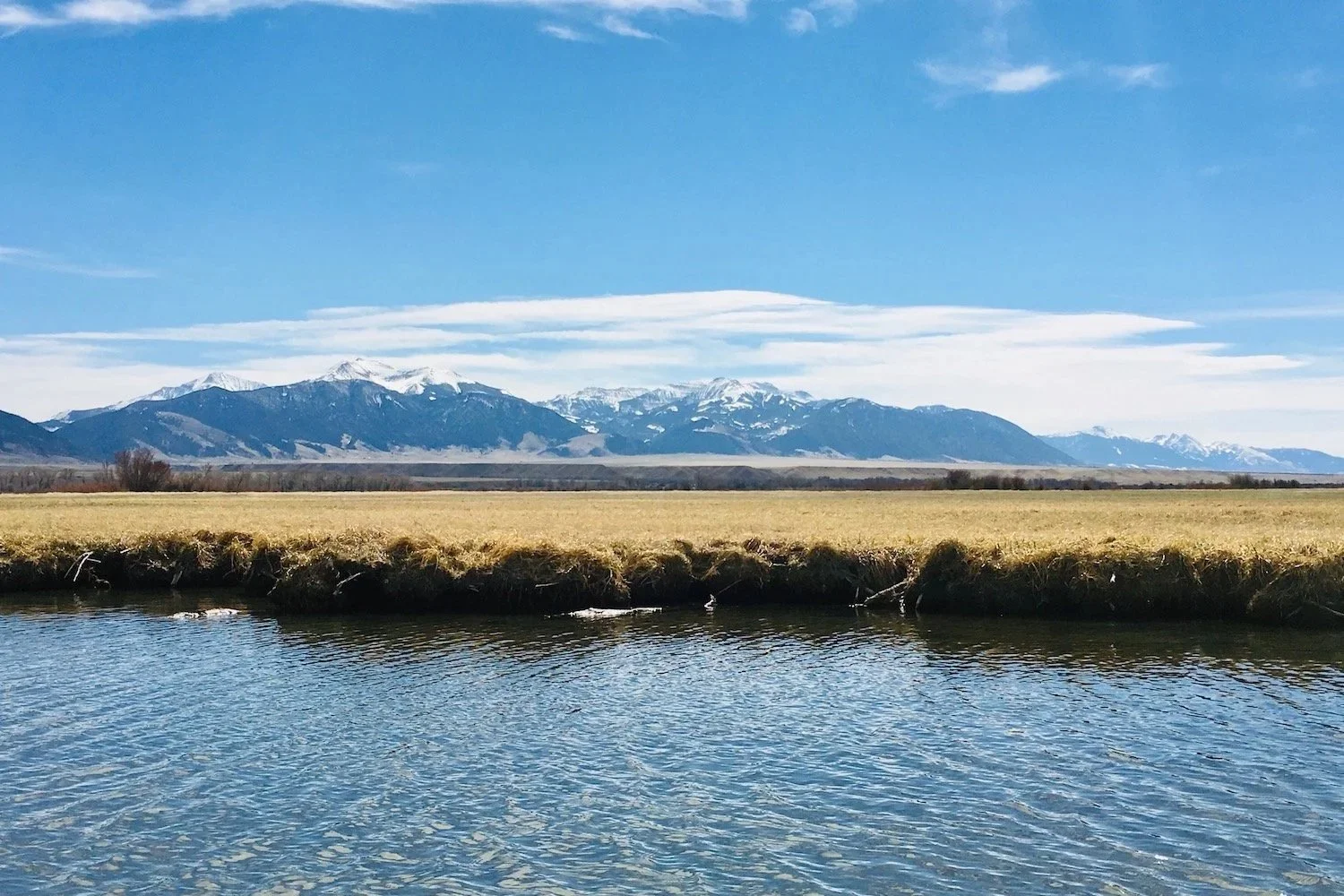
Once the river exits the canyon, it mellows out significantly as it winds through a wide, arid valley toward Three Forks. The Lower Madison is famous for its lush weed beds and fishes exceptionally well in the spring and late fall when the water temperatures are cool.
When to Go:
Seasons & Timing on the Madison
If you are wondering about the best time to fly fish the Madison River, it really comes down to what you want to experience on the water.
Spring & Runoff: Spring fishing can be incredibly productive before the mountain snowmelt begins. Runoff typically blows the river out from mid-May through mid-June, so it is always wise to keep an eye on the water levels if you plan to visit early in the season.
The Salmonfly Hatch: The most famous event on the Madison is the annual Salmonfly hatch, which generally occurs in a two-week window between late June and early July. Throwing massive dry flies to aggressive trout is thrilling, but keep in mind that even when a massive hatch is going on, the fish are still happily eating the bugs under the water, too. Nymphing during a hatch is often the secret to a high-number day.
Summer & "Hoot Owl" Restrictions: By July and August, the Montana heat sets in. While the Upper Madison stays relatively cool, the Lower Madison gets dangerously warm for trout. During these hot stretches, Montana FWP implements "Hoot Owl" restrictions on the Lower Madison, legally shutting down fishing daily at 2:00 PM. This protects the stressed fish and means we focus our summer efforts on the cooler, upper stretches of the river or get out the door at dawn to beat the heat.
Winter Season: When the snow flies and most anglers pack away their gear, the Madison still offers fantastic opportunities. The Lower Madison is a super short, 30-minute drive west of Bozeman. Because of its lower elevation and tailwater characteristics, it stays relatively ice-free and can be fished successfully throughout most of the winter season. It is the perfect place to shake off the cabin fever and drift midge or baetis nymph rigs through the slow winter holding water without the summer crowds.
Best Fly Fishing Tactics and Techniques for the Madison River
While the Madison River does experience some fantastic insect hatches throughout the year, consistent success relies heavily on mastering sub-surface techniques.
Technical Nymphing: Nymphing is the daily bread and butter of the Madison River. Because the river is relatively shallow and fast, dialing in the exact depth of your indicator is critical. We spend a lot of our time working precise nymph rigs through the deep center seams and the slow water behind large boulders.
Streamer Fishing the Buckets: While aggressively stripping large streamers against the banks gets a lot of attention, some of the most effective streamer fishing on the Madison happens right down the middle of the river. We love dead-drifting or tight-lining heavy streamers through the deep center buckets and trenches. Presenting a streamer naturally through these deep holding zones is a highly productive way to trigger a strike from the largest fish in the river.
Dry Fly Opportunities: We do not build our days exclusively around dry fly fishing, but the Madison certainly offers surface action when the conditions align. From the famous Salmonfly hatch to terrestrial fishing with foam grasshoppers in August, we are always ready to switch tactics when the trout start looking up.
Ennis, Montana:
The Heart of the Madison
You cannot talk about the Madison River without talking about Ennis. Sitting right on the banks of the Upper Madison, Ennis is the definition of an authentic western trout town. For anyone planning a trip for guided fly fishing Ennis Montana serves as the perfect home base. It is a place where drift boats outnumber cars at the local gas stations and fly fishing is woven into the very fabric of the community. Taking a break in Ennis to grab a burger or visit the local fly shops is a required part of the Madison River experience.
Experience the Madison with Flyshot Outfitters
Reading about the Madison is one thing, but settling into a drift boat and experiencing it firsthand is something entirely different. At Flyshot Outfitters, we specialize in intentional, low-pressure days on this legendary river. We handle the logistics, the rowing, and the rigging so you can simply take in the Montana scenery and focus on the fishing.
For recent updates on hatches and water conditions, be sure to check out our Madison River fishing reports
Whether you want to tight-line streamers through the deep pools below Varney Bridge or enjoy a completely unhurried float down the Fifty Mile Riffle, review our trip packages and let's put together the perfect day on the water.